
 Ultrasound
✦ 8K ultrasound for clinics
8K ultrasound for clinics
When a family looks for 8K ultrasound, they usually expect a clearer, more realistic image that is easy to understand. Be·ia helps the clinic offer that visual experience from 3D, 4D or 5D ultrasound scans, without changing the role of the machine or the professional.
50 watermarked images. No card required.
Be·ia image
Ultrasound
 Be·ia
Be·ia
Ultrasound
Be·ia
8K ultrasound for clinics
Be·ia converts the ultrasound you already capture into a visual keepsake the family understands instantly. Designed for gynaecology, obstetrics and emotional ultrasound.
What is 8K ultrasound?
The term «8K ultrasound» is used informally and commercially to talk about very realistic images of the baby before birth. It does not describe a medical standard or an ultrasound machine capture mode: it usually refers to the visual appearance of the result, not a specific clinical resolution.
That is why many clinics and professionals use «8K» when they want to convey that the baby's image looks especially sharp or close to a photograph. Be·ia responds to that same need as clinic software for 8K ultrasound: it processes 3D, 4D or 5D captures and generates a clearer visual result in seconds.
Does 8K ultrasound really exist?
In clinical practice, what is usual is still 3D, 4D or 5D ultrasound captured with the clinic's machine. «8K ultrasound» appears mainly in commercial language and in searches from families who want to see the baby with more realism.
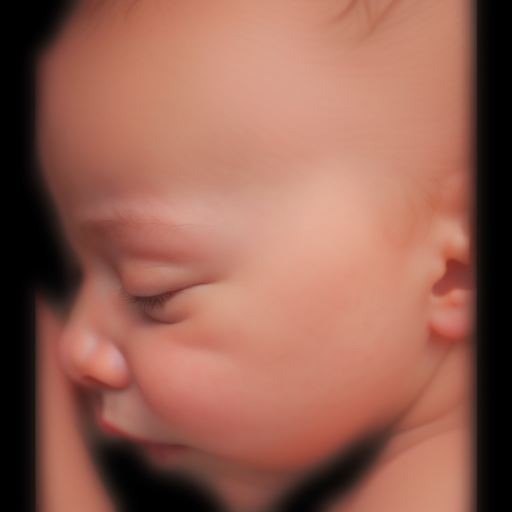
Be·ia does not generate a new ultrasound modality or replace diagnostic equipment. It converts an existing capture of the baby's face into a hyperrealistic image the clinic can show, download, print or share during the consultation.
What Be·ia is and what it is not
- ✓ It is technology for clinics.
- ✓ It works from the original ultrasound.
- ✓ It helps create an image that is easier to share with the family.
- ✗ It does not replace the ultrasound machine or medical judgement.
- ✗ It is not a family app or a consumer service.
From 3D, 4D or 5D ultrasound to a hyperrealistic image
Upload an image or connect your ultrasound machine
Start from the web app with a capture of the baby's face or integrate the workflow with the Windows application and your machine on the network.
Be·ia generates the result in seconds
The ultrasound is converted into a final image ready to review during the consultation.
Download, print or send the image to the family
The clinic delivers the visual result without leaving the usual workflow.
What a clinic needs to offer hyperrealistic images
To start, a trial account and 3D, 4D or 5D ultrasound scans of the baby's face are enough. You can upload images manually from the web app without installing anything.
If you want to integrate Be·ia into the consultation workflow, the Windows application lets you connect the ultrasound machine on the network for a more automatic process. One licence includes both the web app and the Windows application. See how integration works and pricing and the 50 free image trial.
Capture quality, result variation and realistic limits
The Be·ia result always depends on the original ultrasound. It works best with clear captures of the baby's face, usually between weeks 24 and 32, without hands or other elements covering the face.
When the capture is good, the hyperrealistic image can look very close to the baby's appearance at birth, but the result can vary from case to case. It is not an exact photograph, does not guarantee the baby's identity and should not be interpreted as a promise of appearance at birth.
Be·ia improves the visual experience during the consultation; it does not replace medical judgement or turn the ultrasound into a diagnostic tool.
Brief examples for clinics
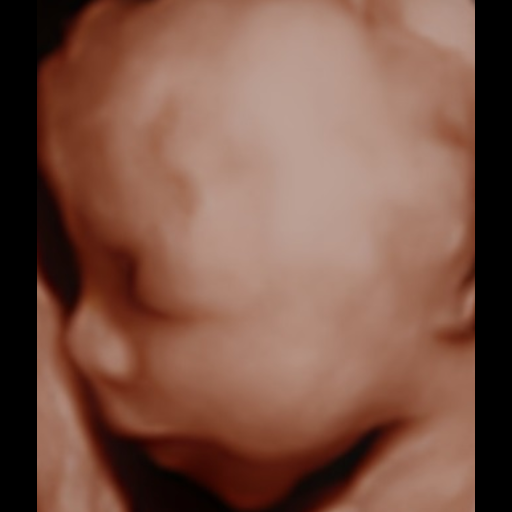
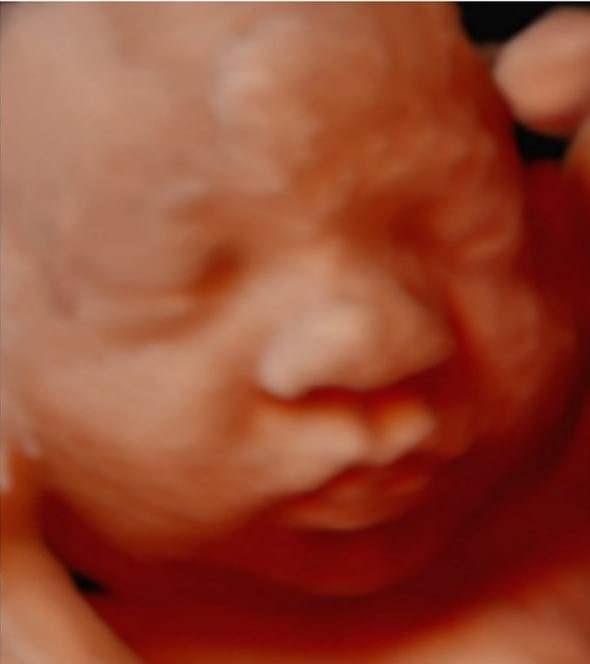
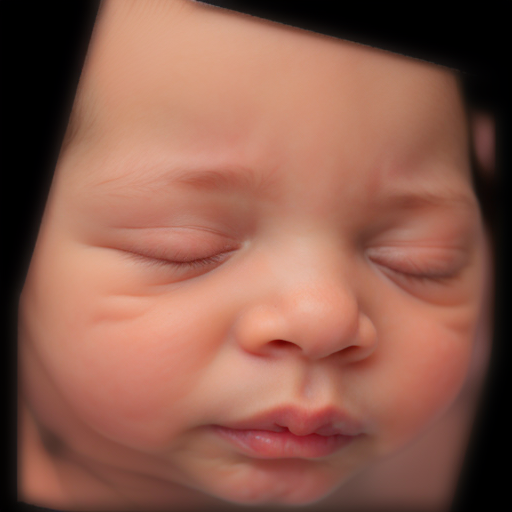
A sample of how Be·ia transforms ultrasound scans of the baby's face into hyperrealistic images. The full gallery is on the results page.
Example 01
Ultrasound
Be·ia
Example 02
 Ultrasound
 Be·ia
Be·ia
Example 03
 Ultrasound
 Be·ia
Be·ia
See more examples of ultrasound converted into hyperrealistic images
5D ultrasound, 8K ultrasound and hyperrealistic image: differences
The original ultrasound comes from the machine. Be·ia works on the baby's face. The result is not diagnostic, not an exact photograph and quality depends on the original capture.
| Term | What it usually means | How Be·ia works with it |
|---|---|---|
| 3D / 4D / 5D ultrasound | Volumetric capture of the baby performed with the clinic's ultrasound machine. | Be·ia starts from that ultrasound when the baby's face is visible and well defined. |
| 8K ultrasound | Commercial or informal term for very realistic images of the baby before birth. | Be·ia does not sell «8K ultrasound» to consumers: it helps the clinic offer hyperrealistic images from its ultrasound. |
| Be·ia hyperrealistic image | Visual result processed from the face visible in the ultrasound. | Clinic software: processing in seconds, without replacing the machine or medical judgement. |
A simple way to offer hyperrealistic ultrasound in your clinic
Be·ia helps emotional ultrasound centres, gynaecology and obstetrics clinics offer a visual keepsake families want to keep, without changing ultrasound machines. Start from the web app and move to the Windows application when it fits your workflow.
FAQ
Questions about 8K ultrasound and Be·ia
It is an informal, commercial term used to describe very realistic images of the baby before birth. It does not describe a medical standard or an ultrasound machine capture mode: it usually refers to the visual appearance of the result.
In clinical practice, clinics typically use 3D, 4D or 5D ultrasound from the machine. «8K ultrasound» appears mainly in searches and commercial language when more visual realism is meant, not as an independent clinical modality.
No. Be·ia does not generate a new ultrasound scan or replace the machine. It converts a 3D, 4D or 5D capture into a visual result the clinic can show during the consultation.
3D, 4D or 5D ultrasound is the capture from the machine. «8K ultrasound» mainly describes the appearance of the result, not another type of examination. Be·ia starts from the real capture and generates a clearer final image.
The clinic uses it; the family enjoys it during the consultation. It is not designed for families to sign up for or use Be·ia on their own.
To start, a trial account and 3D, 4D or 5D ultrasound scans of the baby's face. You can upload images from the web app. For a more integrated workflow, the Windows application lets you connect the ultrasound machine on the network. More detail in how Be·ia works.
No. It is not a prediction of what the baby will look like at birth. Be·ia starts from your capture: if the ultrasound is good, the result can look very similar, but it will vary depending on image quality.
No. Be·ia does not interpret the ultrasound or replace medical judgement. Its role is to help the clinic deliver a clearer image that is easier to share.
Captures with the baby's face visible, usually between weeks 24 and 32, without hands or other elements covering the face. The better the original ultrasound, the better the result.
Try Be·ia with your own ultrasound scans
Create your account and start with 50 free watermarked images. If Be·ia fits your clinic, see pricing and plans or review more result examples.
Try it for free50 watermarked images. No card required.